Specialist Knee Surgeon · Sydney
Meniscus Tear Injury
Dr Quang Dao — Orthopaedic Knee Surgeon
BMedSci, MBBS, FRACS, FAOrthA
Expert assessment, diagnosis and personalised treatment for meniscus tears across Sydney.
20+
YEARS EXPERIENCE
3
INT'L FELLOWSHIPS
4
SYDNEY HOSPITALS
1000s
PATIENTS TREATED
Sydney
Liverpool
Penrith
Understanding
Understanding Meniscus Tears
A meniscus tear (sometimes called a meniscus injury), is one of the most common causes of knee pain in active people and athletes. It can occur suddenly during sport or gradually as the knee ages and the cartilage weakens.
Each knee has two menisci — one on the inside (medial) and one on the outside (lateral). These crescent shaped pads of cartilage sit between the thigh bone and shin bone, acting as shock absorbers. They help distribute weight, protect the joint surface and add stability when you move, squat, twist or run.
When a meniscus tears, it can change how your knee moves and feels. Some people notice a clicking or catching sensation, swelling or stiffness. Symptoms can range from mild discomfort to a knee that feels unsteady or "gives way" during activity.
What the Meniscus Does
The meniscus plays several key roles in knee function. It helps:
Spread the load evenly across the joint
Maintain stability when bending and rotating
Protect the cartilage from wear and tear
Support smooth movement and joint lubrication
When the meniscus is torn, those benefits are reduced, placing greater stress on the surrounding cartilage and bone over time.
Causes
Common Causes of Meniscus Tears
Meniscus tears occur in two main ways: traumatic or degenerative and each requires a different approach to recovery.
Traumatic Tears
Traumatic tears usually happen during sport or exercise such as football, basketball, tennis or skiing. They are often the result of a sudden twist or pivot when the foot stays planted and the knee turns. A deep squat or awkward landing can also cause a tear.
Degenerative Tears
Degenerative tears develop more gradually as the cartilage loses strength with age, repetitive activity or previous injury. They are more common in people over 40 or those who spend long periods on their feet or in physically demanding roles.
Symptoms
Symptoms of a Meniscus Tear
Typical signs of a meniscus injury include:
Sharp or aching pain along the inside or outside of the knee
Swelling or stiffness that develops over hours or days
Clicking, catching or locking sensations
Trouble fully straightening or bending the knee
Trouble fully straightening or bending the knee
A feeling that the knee is unstable or may give way
Pain after sitting for long periods or at night
A popping sound at the time of injury
If the knee locks or becomes stuck, it may signal a larger or unstable tear that needs urgent attention.
Diagnosis
Diagnosis and Assessment
Accurate diagnosis begins with a careful discussion and physical examination. During your consultation, Dr Quang Dao, a leading Sydney orthopaedic surgeon with a specialist focus on knee injuries, will assess:
Your movements and any locking or clicking
Tenderness and swelling along the joint line
Range of motion and strength
Specific clinical tests used to identify meniscus tears
Whether there are associated ligament injuries such as an ACL tear
If needed, an MRI scan confirms the presence and type of tear and helps plan the most suitable treatment.
Treatment
Treatment Options for Meniscus Tears
Treatment depends on the type of tear, your symptoms and your goals. Many people recover well without surgery, while others benefit from a minimally invasive procedure.
Non Surgical Treatment
For smaller or degenerative tears, conservative care often brings good results. This may
include:
Long term protection of knee cartilage
Physiotherapy to restore movement and strengthen surrounding muscles
Anti inflammatory measures when needed
Gradual return to sport or physical activity
Dr Quang Dao partners with experienced physiotherapists across Sydney to ensure each patient follows a personalised rehabilitation plan designed for long term success.
Surgical Treatment
When symptoms persist or the tear causes ongoing swelling or mechanical locking, arthroscopic surgery may be recommended.
Dr Quang Dao performs advanced meniscus surgery using keyhole techniques. Depending on the pattern and condition of the tear, he may:
Repair the meniscus by suturing the torn tissue
Trim the frayed section that cannot be repaired (partial meniscectomy)
His approach always aims to preserve healthy tissue, protect joint surfaces and support long term knee health, especially for patients who lead active or athletic lifestyles.
Recovery
Recovery and Rehabilitation
Recovery times vary depending on the type of tear and treatment.
After Non Surgical Care
A gradual return to activity and sport may occur within four to six weeks.
After Surgical Repair
Recovery generally takes a few months with guided strengthening and physiotherapy.
Dr Quang Dao provides a structured rehabilitation plan that progresses safely through mobility, strengthening and performance stages, helping you return confidently to movement, training and sport.
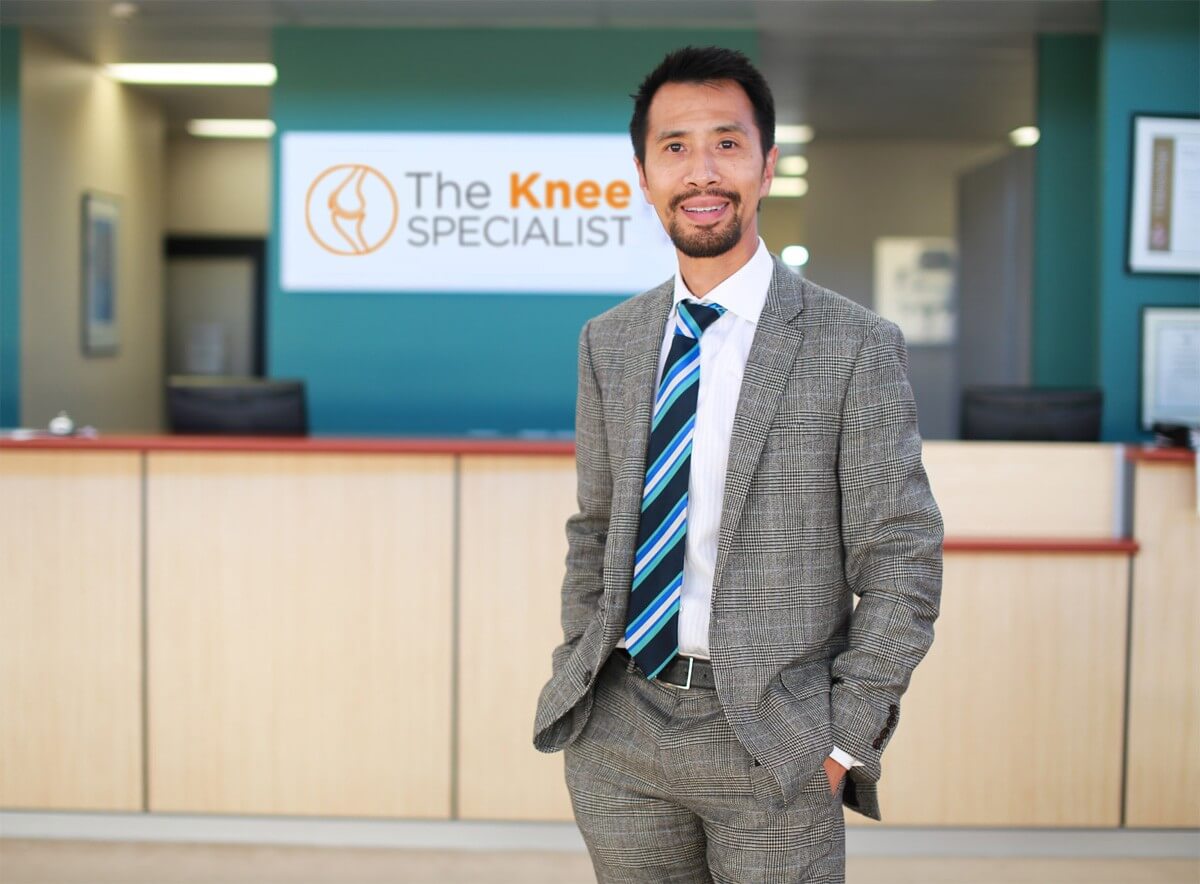
Your Surgeon
Why Choose Dr Quang Dao
Dr Quang Dao — Orthopaedic Knee Surgeon
BMedSci, MBBS, FRACS, FAOrthA
Dr Quang Dao is one of Sydney's most trusted orthopaedic knee surgeons, recognised for his expertise in meniscus surgery and sports knee care. He treats athletes, professionals and active individuals who value precise care and outstanding results.
His approach is thoughtful, evidence based and personal. He is always focused on helping you return to activity stronger and more confident.
When to See Dr Quang Dao
If your knee pain persists, swelling returns or your knee catches or locks, it's time to see a specialist. Early assessment and expert guidance can prevent ongoing discomfort and protect the long term health of your knee.
FAQ
Frequently Asked Questions
Can I walk with a meniscus tear?
Yes, often you can, especially if the tear is small or degenerative. It's important to avoid twisting or squatting movements that cause pain.
Can a meniscus tear heal on its own?
Some tears can settle with physiotherapy, rest and strengthening. Larger or complex tears may need surgery to fully restore knee function.
What happens if I ignore a meniscus tear?
Leaving a tear untreated can lead to more cartilage wear and increase the risk of developing osteoarthritis over time.
Related Knee Conditions

Start Your Path Back to Pain Free Movement
Book an appointment with Dr Quang Dao, Orthopaedic Surgeon in Sydney and take the first step toward lasting recovery.